
CITIZEN SCIENCE
Your time in Tonga can contribute to something bigger
We want our presence in Tonga to have a positive impact.
Throughout the season, our team contributes to citizen science, conservation and community initiatives that help build knowledge of Vava’u’s whales, reefs and wider marine environment.
Guests can get involved too. From photographing humpback flukes to monitoring coral health and removing marine debris, these are simple ways to turn time in the field into useful information.
No experience is needed. Just curiosity.
THE TONGAN FLUKE COLLECTIVE
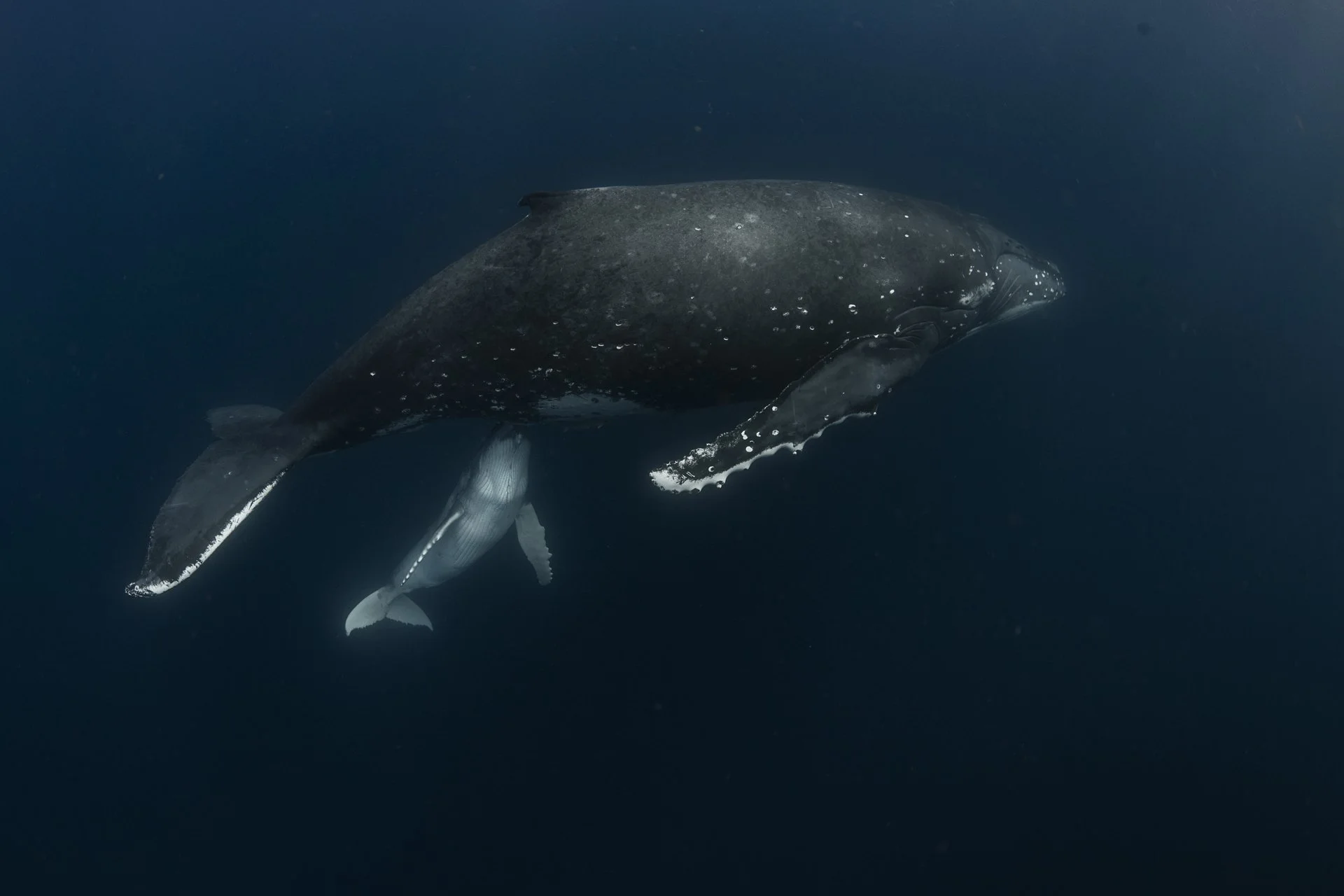
Every fluke tells a story
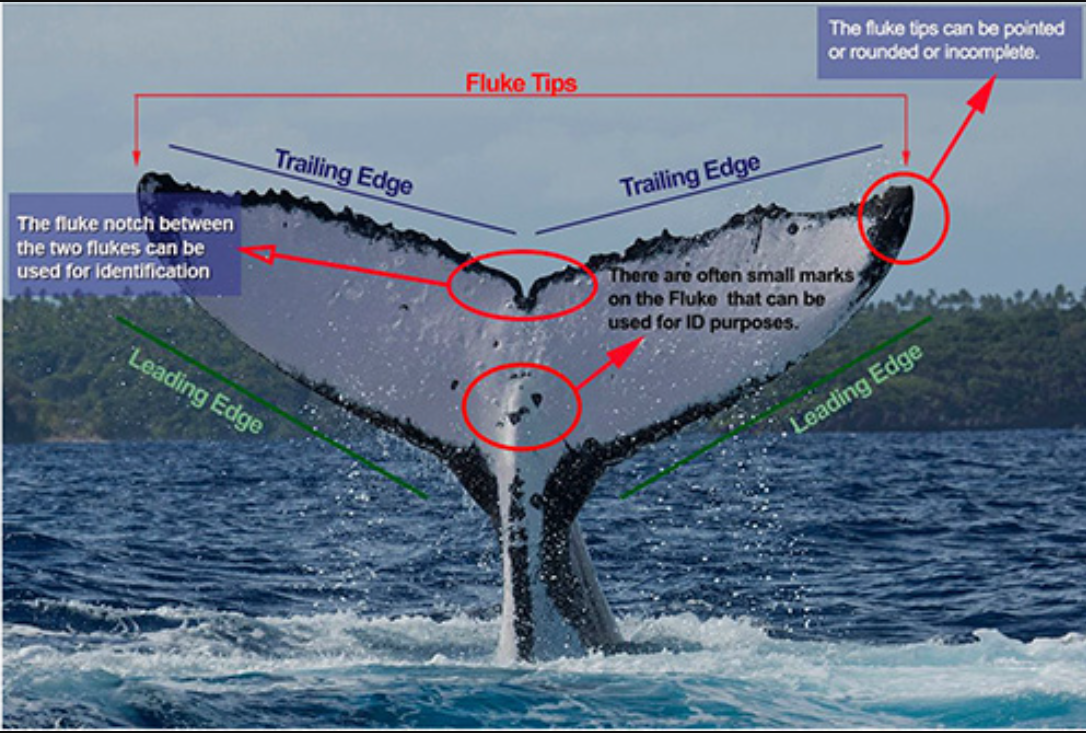
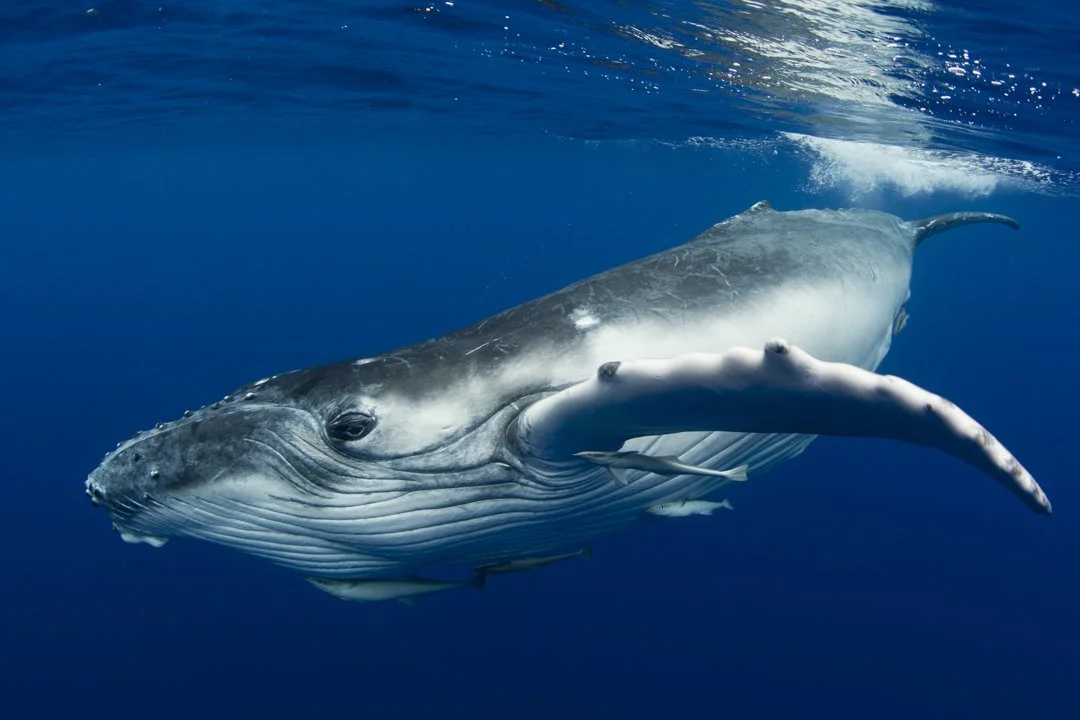
The underside of every humpback whale’s tail, or fluke, has a unique pattern, much like a fingerprint.
Scott Portelli established the Tongan Fluke Collective in 2014, creating a photographic library of humpback whales observed in Tongan waters that can be used by scientists and researchers.
Each season, we continue adding identification photographs to the collection and contribute sightings to the global Happywhale database.
As a guest, you’ll learn what makes a useful identification photograph and how something as simple as an image can help researchers understand whale movements, life histories and populations.
Keeping an eye on the reef
CORAL WATCH
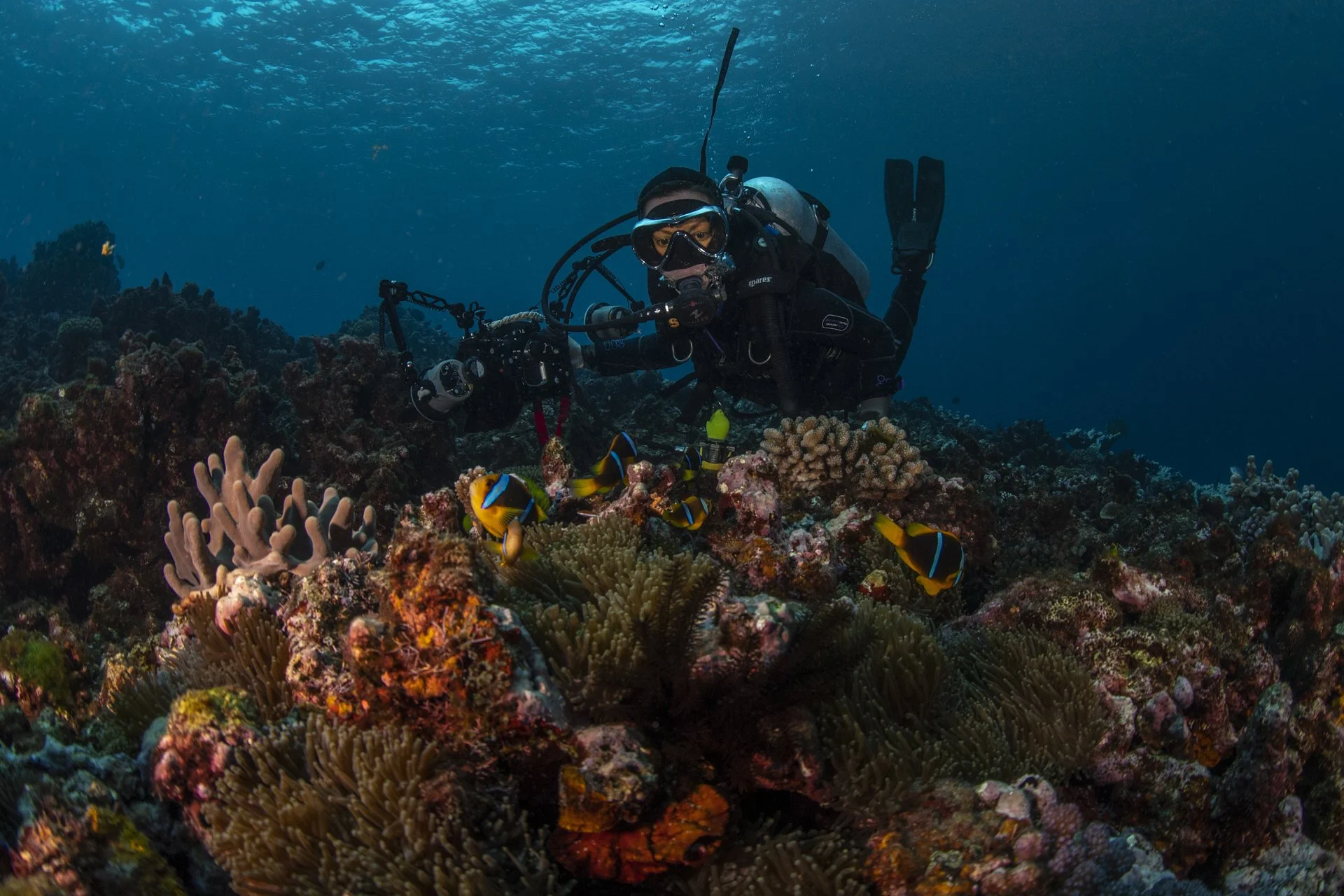
Whales are only one part of Vava’u’s marine environment.
Using the University of Queensland’s CoralWatch program, we help collect information about coral health using a simple colour-monitoring system.
When conditions allow, our marine biology team can incorporate CoralWatch into time on the water, giving guests an opportunity to learn more about the reefs below the surface while contributing observations to an established citizen science program.
Leaving Vava’u a little cleaner
MARINE DEBRIS
Marine debris is one of the most visible threats facing our oceans.
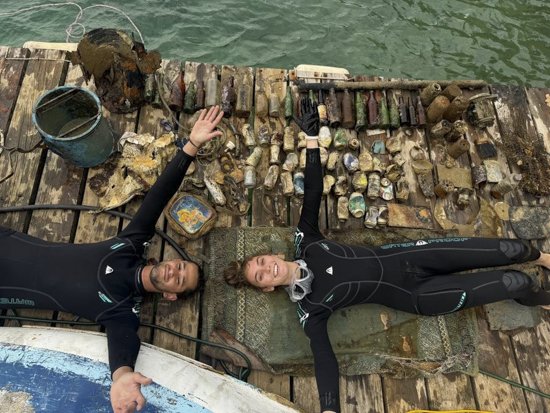
Our team takes part in beach and harbour clean-ups in Vava’u, with guests welcome to join us.
Waste collected can be recorded through the Tangaroa Blue Foundation's marine debris program, helping turn a local clean-up into information that contributes to understanding the broader marine debris problem.
One of our clean-ups removed more than 55kg of rubbish from Vava’u Harbour.
RECORDING BIODIVERSITY
There’s more to discover
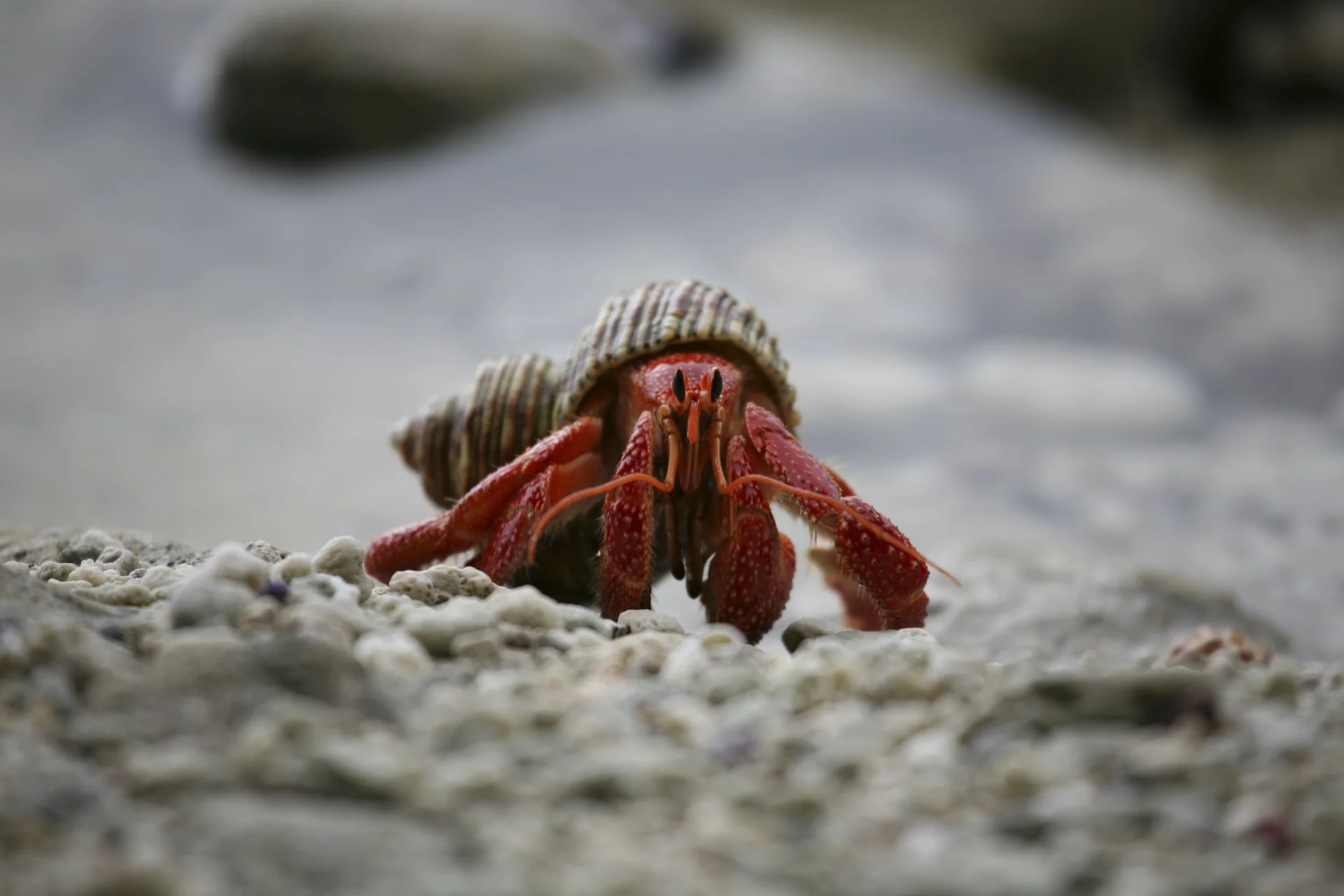
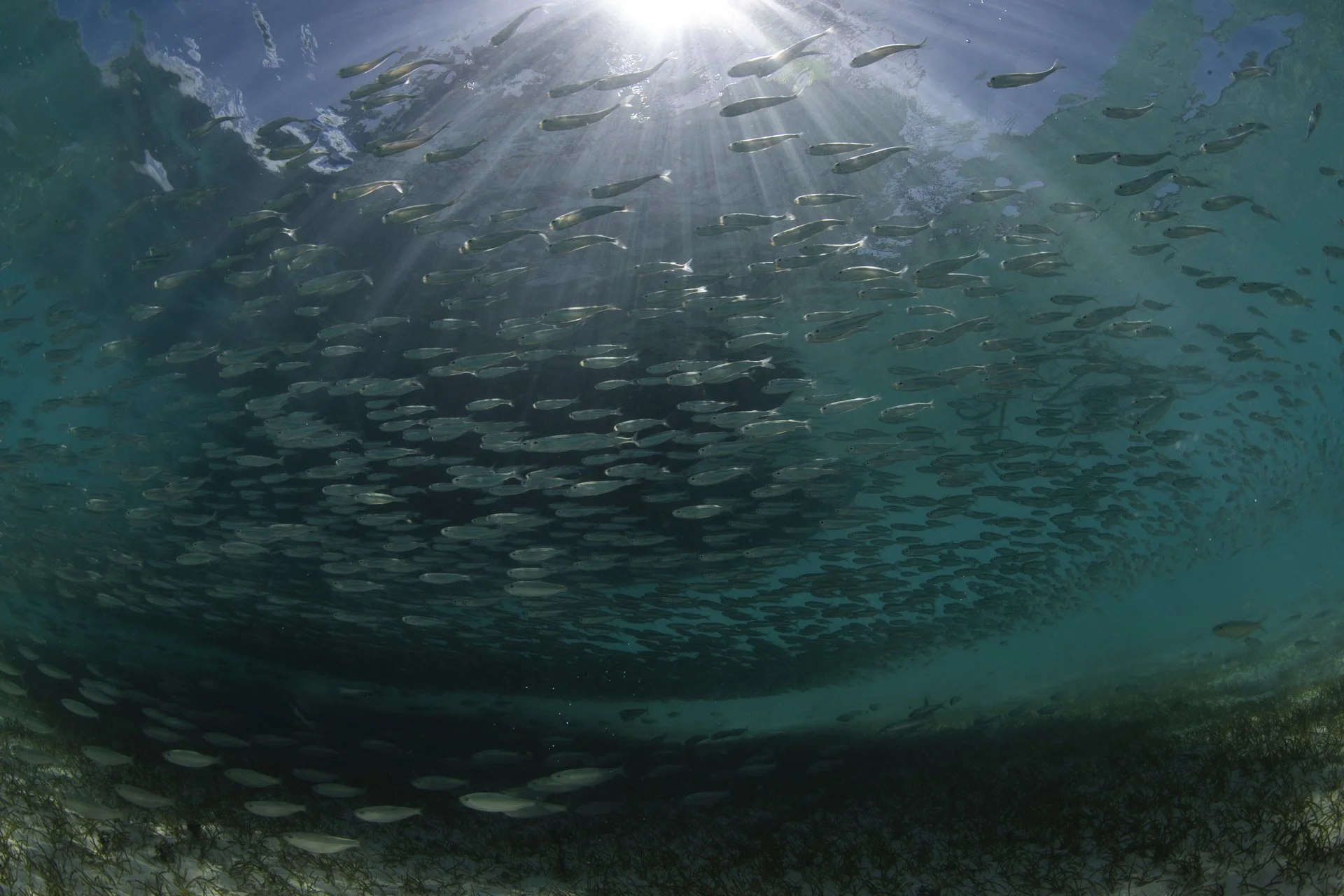
Vava’u is home to far more than humpback whales.
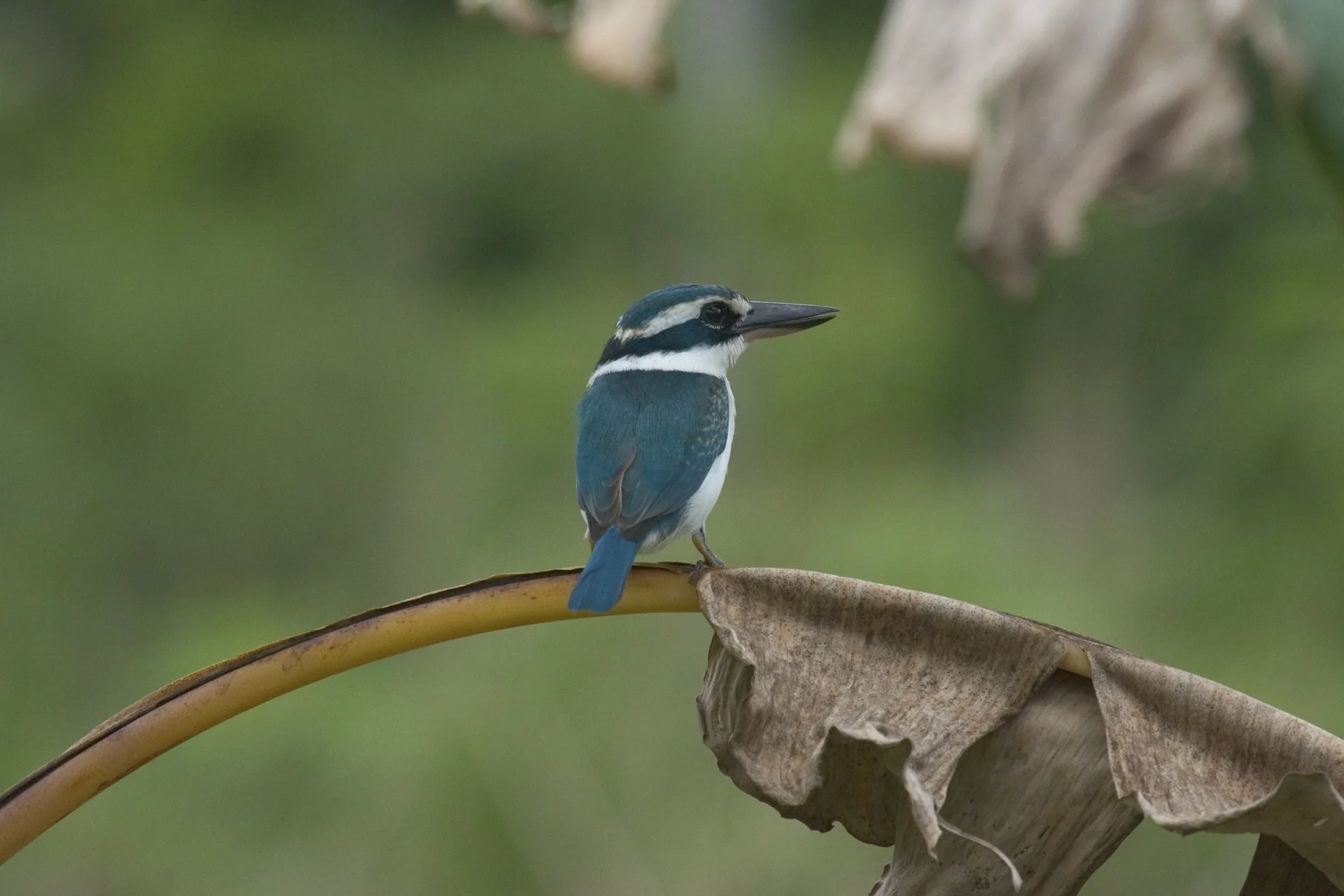
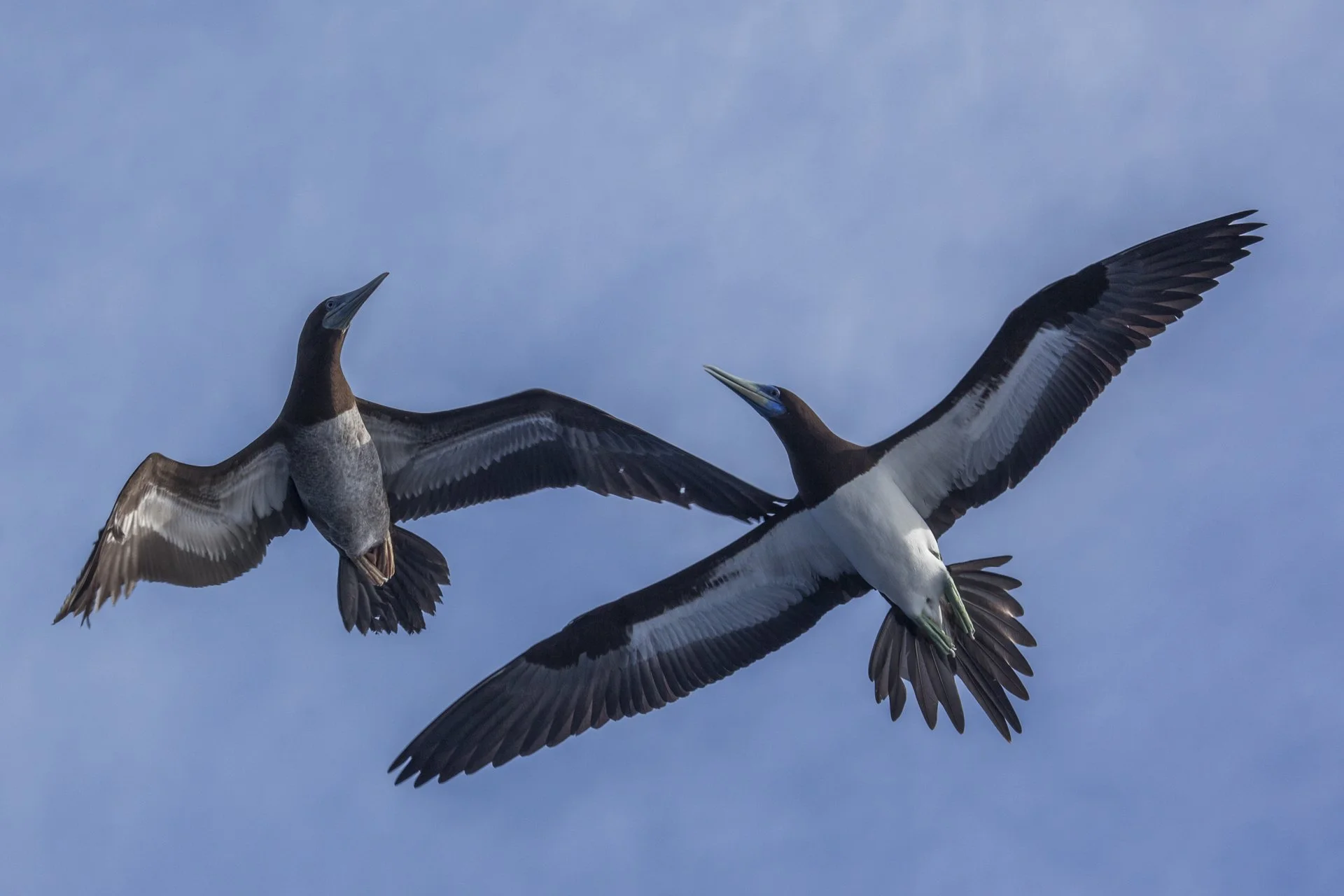
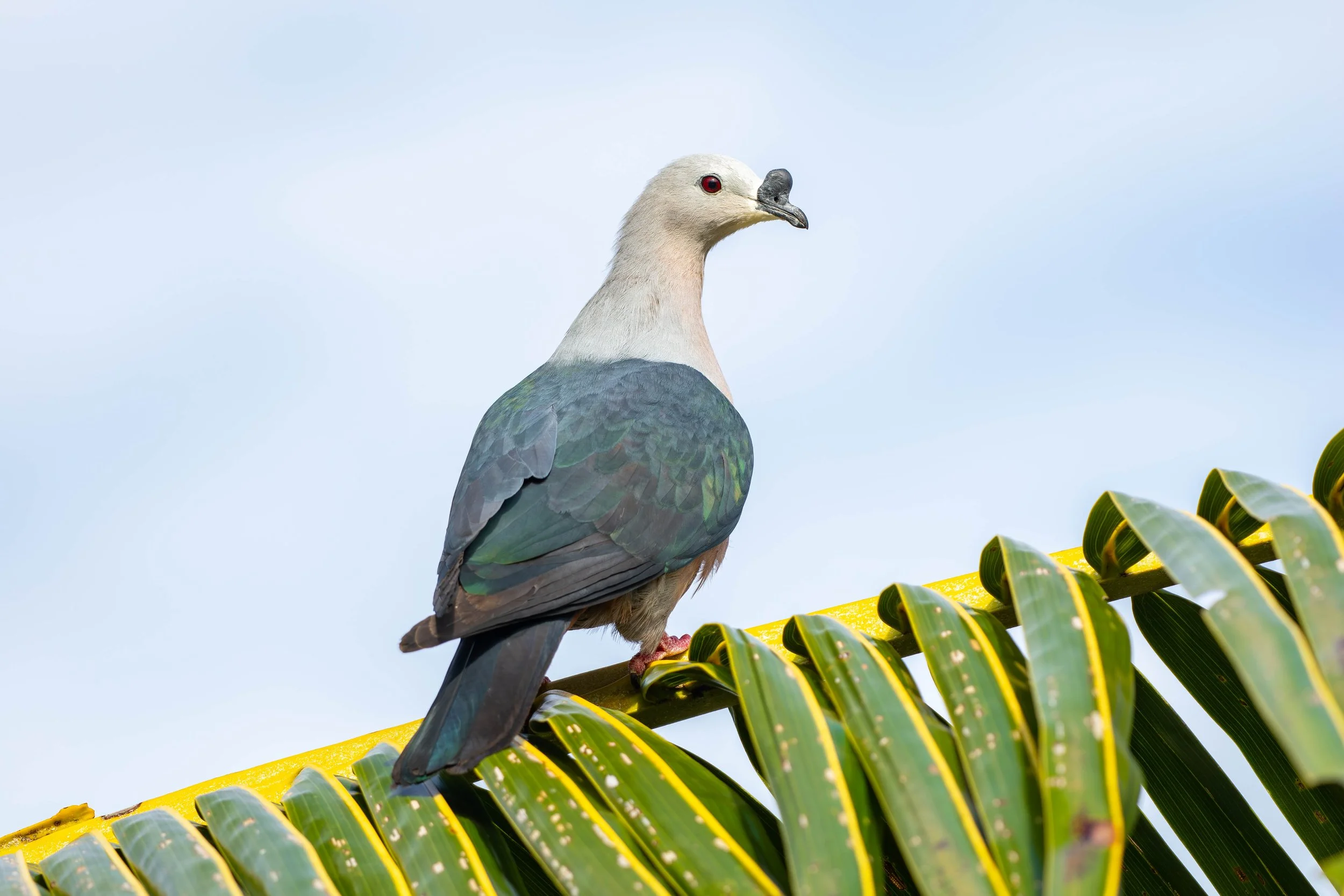
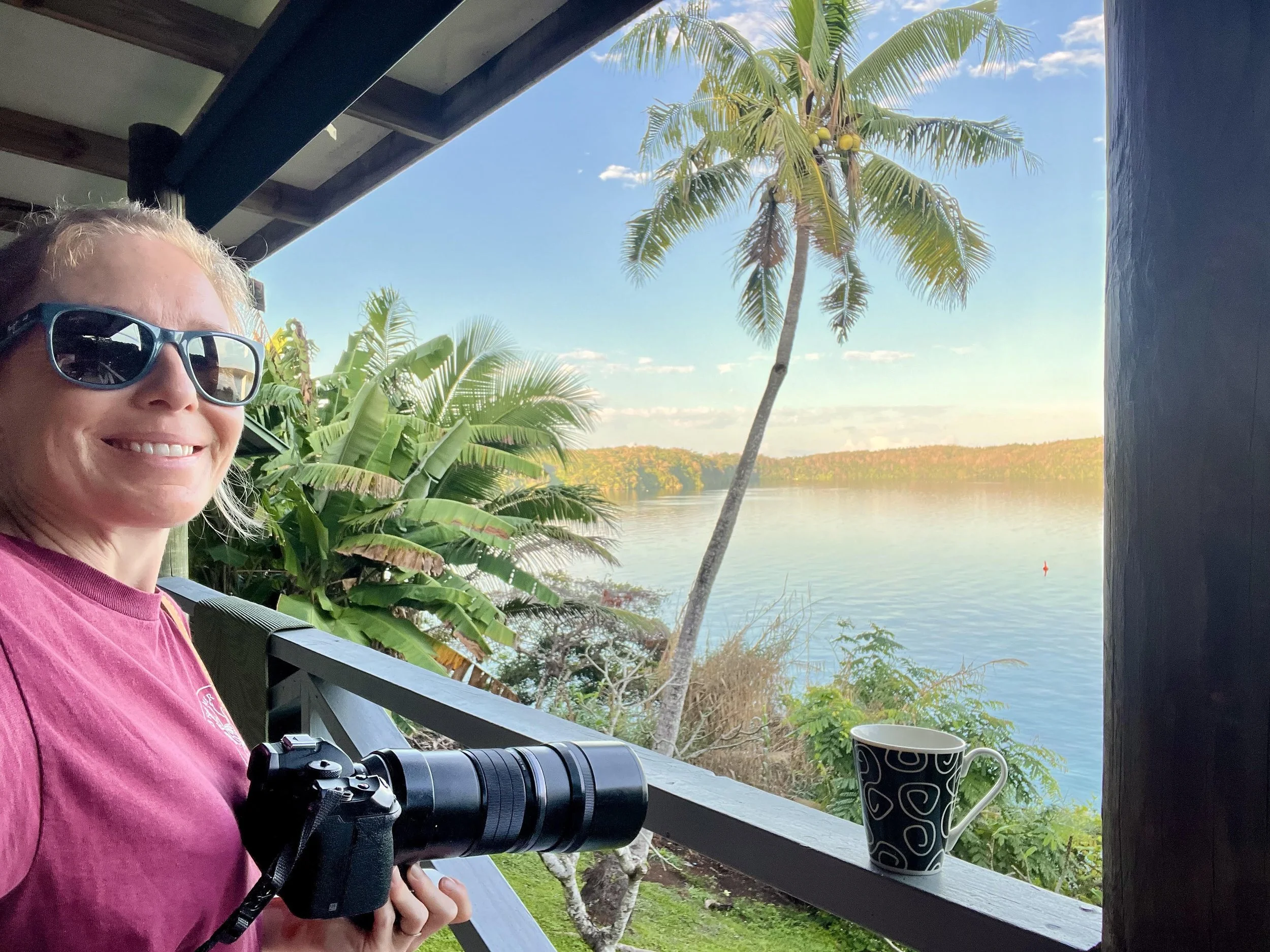
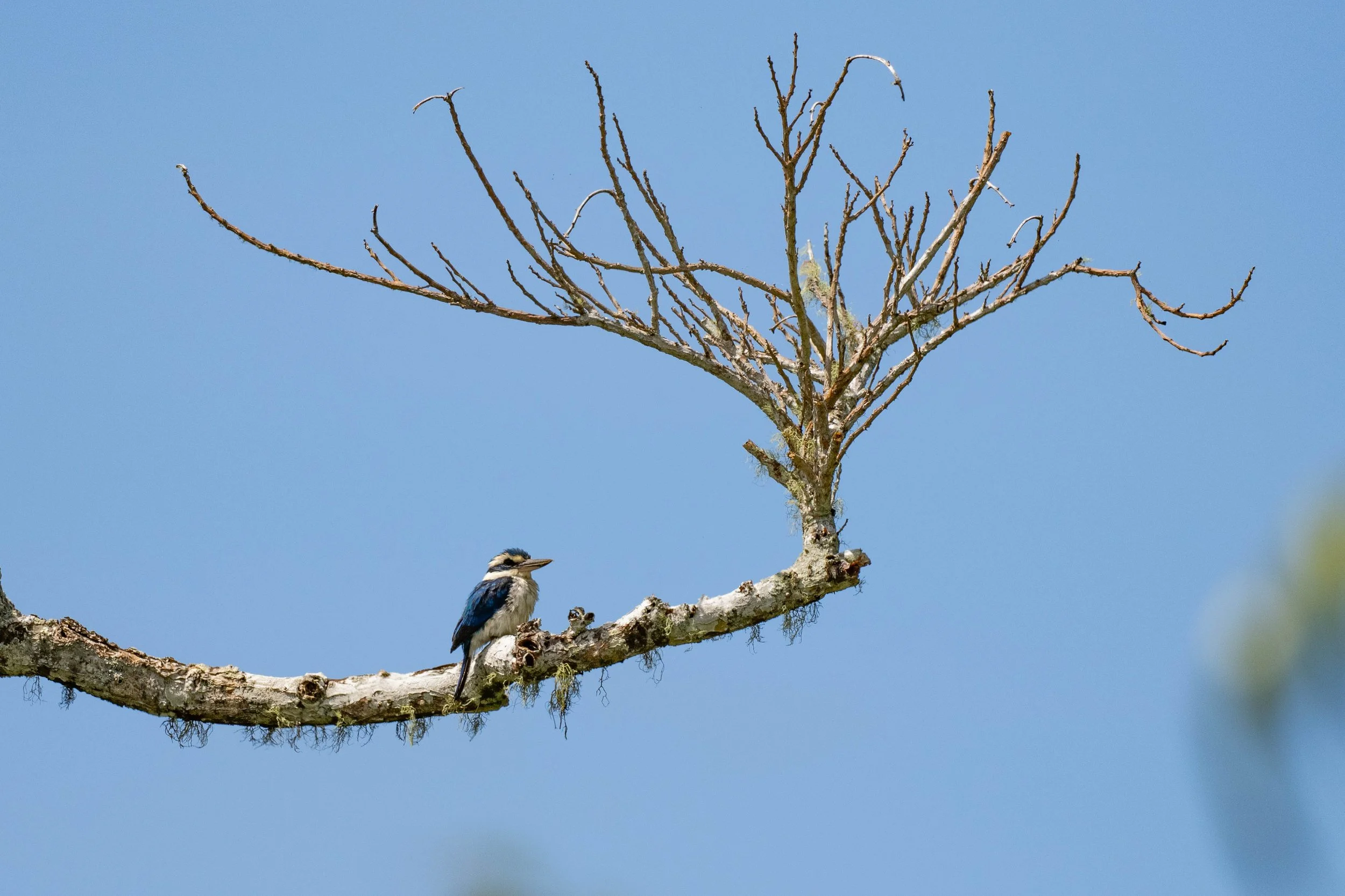
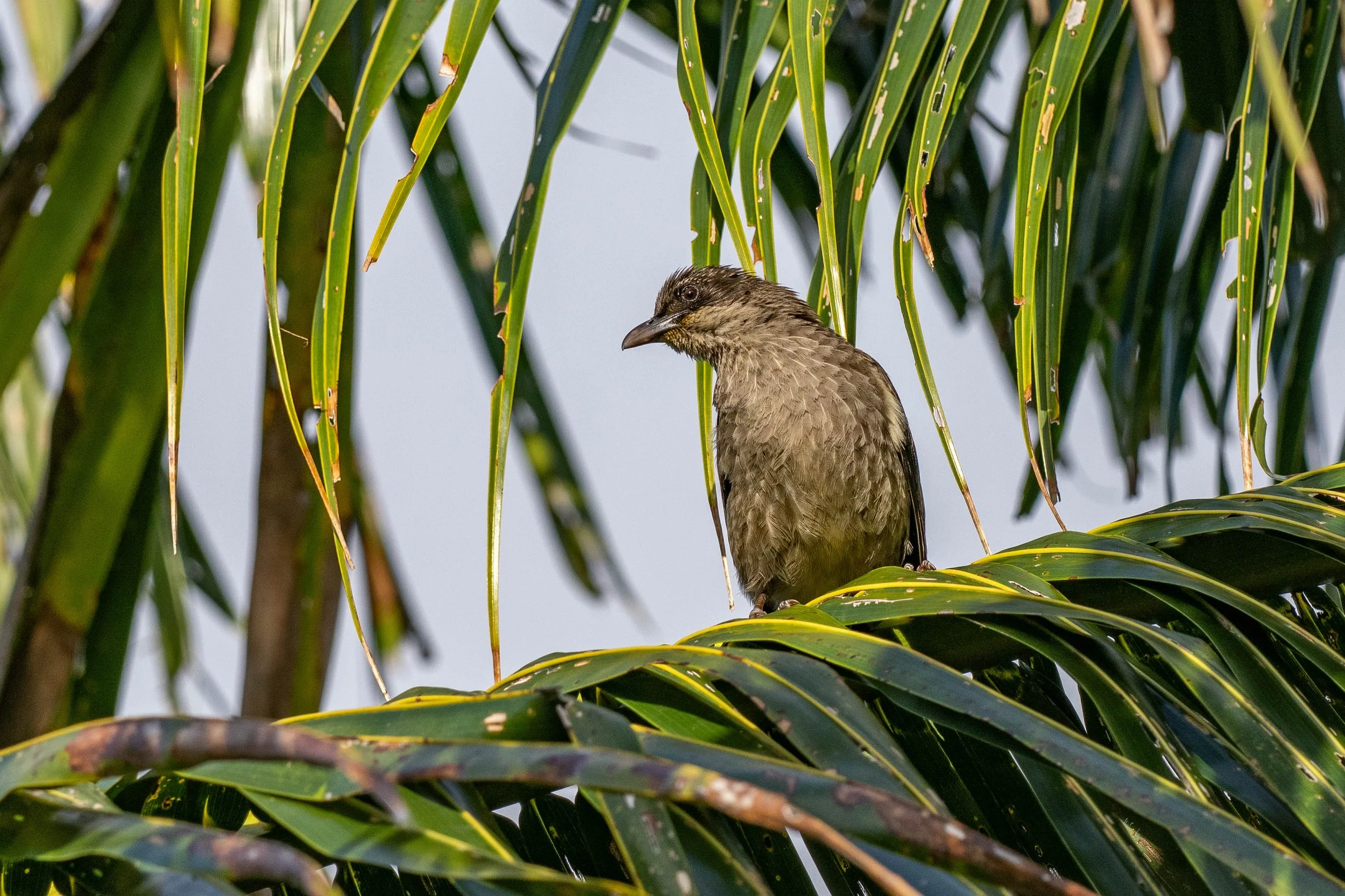
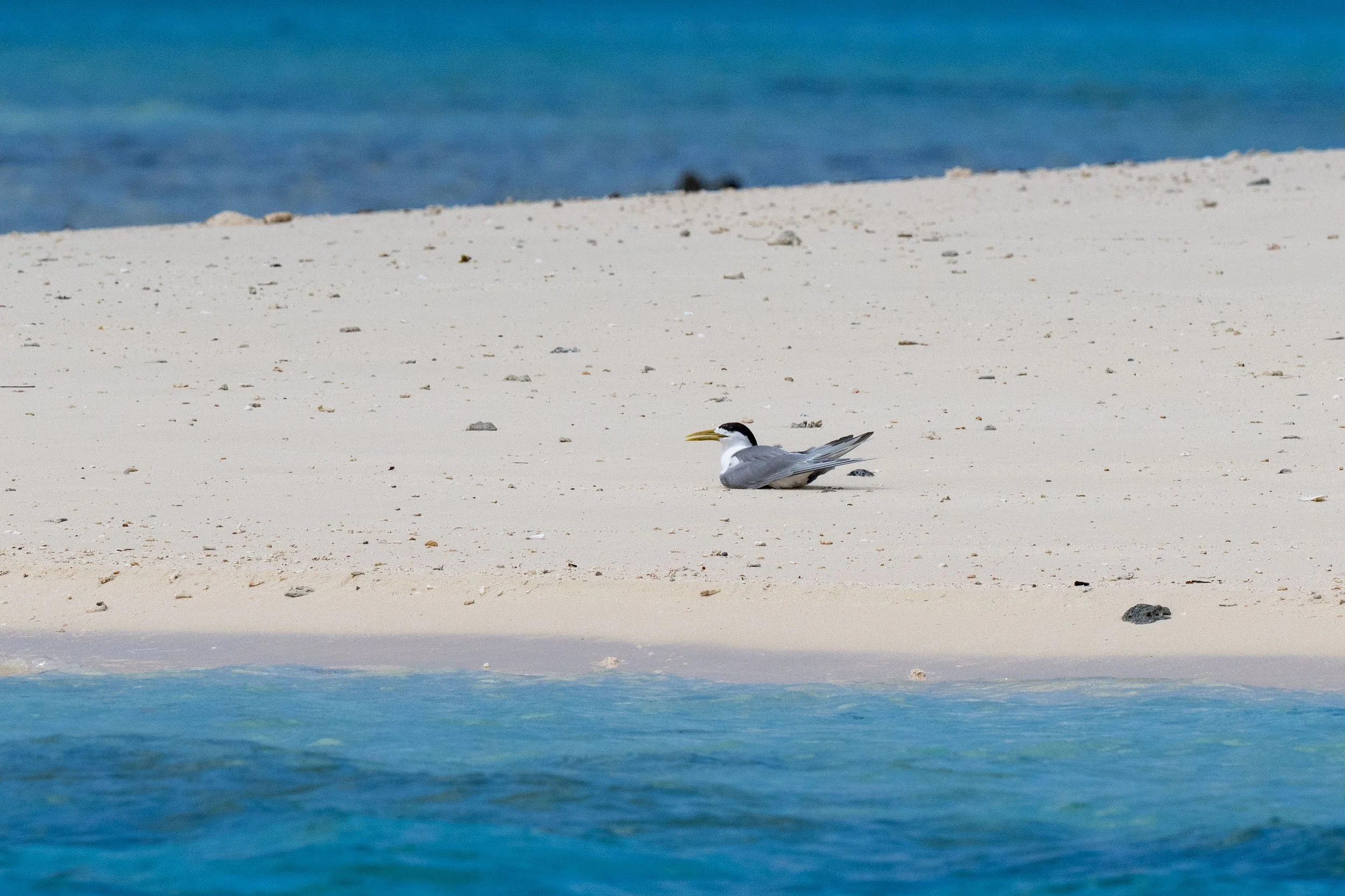
Throughout the week, we may encounter seabirds, sharks and other marine and terrestrial species. Guests can also take part in citizen science activities, including birdwatching walks using eBird, a global platform where sightings are recorded to help researchers monitor bird populations, distribution and migration.
Platforms like eBird and iNaturalist allow observations and photographs to become valuable records for researchers and conservationists. When appropriate, shark sightings can also be photographed for identification and contributed to global research databases.
It's another way to explore Vava’u, contribute to conservation and discover wildlife you might otherwise overlook.
GIVING BACK
Supporting the community that welcomes us
Our connection to Tonga extends beyond the water.
Where there is a genuine local need, we support schools and community organisations with useful resources, including English-language children's books, books for teenagers and school stationery.
Guests who would like to contribute can speak with our team before travelling so we can advise what is currently useful.
Creating opportunities in ocean conservation
THE NEXT GENERATION
We also support emerging ocean professionals through our involvement with the Our World Underwater Scholarship Society.
By providing opportunities to gain practical experience in marine science, conservation and responsible wildlife tourism, we can help the next generation build the knowledge and experience needed to protect our oceans.
CONSERVATION THROUGH EXPERIENCE
Come for the whales. Leave understanding more.
Citizen science isn't about turning your holiday into fieldwork. It's about recognising that when you spend time in a place like Vava’u, there are opportunities to observe, learn and contribute.
Some guests photograph a fluke. Others help monitor a reef, record a species or join a clean-up. Small actions, but together they create something valuable: a better understanding of the place, its wildlife and why protecting it matters.
Join us on an adventure of a lifetime
Join Swimming with Gentle Giants in Vava’u and experience Tonga’s humpback whales in their world.